Kirstie Anders

Kirstie Anders
Professional editing and proofreading service

Friday, 28 June 2024

The power of proofreading: why every university paper deserves a final polish

 Writing university papers is a cornerstone of academic life. It's a process that demands rigorous research, critical thinking, and articulate expression. However, even the most brilliant ideas can be undermined by poor presentation. This is where proofreading comes in, acting as the unsung hero of academic success. Here’s why thorough proofreading is so crucial for every university paper.

Clarity and precision

One of the most important aspects of academic writing is clarity. You might have groundbreaking ideas, but if they’re buried under a heap of grammatical errors and awkward phrasing, their impact will be lost. Proofreading ensures that your message is conveyed clearly and precisely. It helps to eliminate ambiguity, making sure that your arguments are understood exactly as you intend them to be.

Professionalism

In the academic world, your work is a reflection of your professionalism and attention to detail. Submitting a paper riddled with typos and errors can give the impression that you don’t care about your work or that you’re not serious about your studies. A well-proofread paper, on the other hand, demonstrates a high level of commitment and professionalism. It shows that you respect your own work and the academic standards of your institution.

Better grades

Let’s be honest: grades matter. They are a key measure of your academic performance and can impact your future opportunities. Proofreading can make a significant difference in your grades. Professors and graders appreciate clean, error-free papers because they’re easier to read and assess. By ensuring your paper is polished, you’re more likely to earn higher marks and positive feedback.

Enhanced understanding

Proofreading isn’t just about finding and fixing mistakes; it’s also an opportunity to review and refine your understanding of the topic. When you go through your paper with a critical eye, you might notice gaps in your arguments or areas that need more support. This process can deepen your understanding of the subject matter and improve the overall quality of your work.

Academic integrity

Proper proofreading helps maintain academic integrity. Misplaced punctuation or incorrect citations can unintentionally lead to accusations of plagiarism. By meticulously reviewing your paper, you ensure that all sources are correctly cited and that your work adheres to the highest standards of academic honesty.

Confidence booster

Submitting a paper that you know has been thoroughly proofread can boost your confidence. There’s a great sense of satisfaction in knowing that you’ve put in the effort to perfect your work. This confidence can also carry over into other areas of your academic life, motivating you to tackle future assignments with the same level of diligence.

Lifelong skill

Proofreading is a skill that extends beyond the classroom. Whether you’re writing reports, proposals, or emails in your future career, the ability to proofread effectively will serve you well. It’s a lifelong skill that enhances your communication abilities and ensures that you present yourself as a competent and meticulous professional.

Conclusion

In the hustle and bustle of university life, it can be tempting to skip the proofreading stage. However, the benefits of taking the time to thoroughly review your paper are undeniable. Proofreading enhances clarity, professionalism, and understanding, leading to better grades and a deeper grasp of the subject matter. It safeguards academic integrity and builds a skill set that will be valuable throughout your life. So, the next time you finish a university paper, give it the careful proofreading it deserves. Your future self will thank you.

Tuesday, 25 June 2024

The final polish: why proofreading is essential in writing


Writing is an intricate craft that requires attention to detail, creativity, and precision. While the drafting and editing stages are crucial, the final polish that brings a piece of writing to its highest potential is proofreading. Proofreading is the last step in the writing process, but its importance cannot be overstated. Here’s why proofreading is essential in creating polished, professional, and effective writing.


1. Catching typos and minor errors

No matter how meticulous a writer is, small mistakes often slip through during the drafting and editing stages. Typos, misspelled words, and minor grammatical errors can distract readers and detract from the credibility of the piece. Proofreading is a thorough review that focuses on identifying and correcting these small but significant mistakes, ensuring the writing is polished and professional.


2. Ensuring accuracy

Accuracy is paramount, especially in factual writing, academic work, and professional communication. Proofreading involves checking that dates, names, facts, and figures are correct. This attention to detail helps maintain the integrity of the writing and ensures that readers can trust the information presented.


3. Enhancing readability

Proofreading goes beyond correcting errors; it also enhances the readability of a text. This involves checking for awkward phrasing, confusing sentence structures, and unclear expressions. A proofreader ensures that the writing flows smoothly, making it easier for readers to follow and understand the content. Improved readability keeps readers engaged and helps convey the message effectively.


4. Consistency and formatting

Consistency in writing style, tone, and formatting is crucial for maintaining a professional appearance. Proofreading involves checking that headings, fonts, spacing, and other formatting elements are consistent throughout the document. This uniformity enhances the visual appeal of the text and ensures a cohesive reading experience.


5. Avoiding misunderstandings

Misunderstandings can arise from unclear or ambiguous writing. Proofreading helps identify and rectify areas where the meaning may be confusing or open to interpretation. By clarifying these sections, proofreaders ensure that the writer's message is conveyed accurately and effectively, reducing the risk of miscommunication.


6. Building credibility

Errors and inconsistencies can undermine the credibility of a writer. Whether it’s a business report, an academic paper, or a blog post, polished writing reflects professionalism and attention to detail. Proofreading helps build and maintain credibility by presenting error-free, coherent, and well-structured writing. This is particularly important in professional and academic contexts where credibility is essential.


7. Improving overall quality

Proofreading contributes to the overall quality of the writing. By addressing minor errors, inconsistencies, and readability issues, proofreaders help elevate the standard of the text. This final touch can make the difference between good writing and great writing, ensuring that the piece is as strong and impactful as possible.


8. Time and cost efficiency

In professional settings, errors in written communication can lead to misunderstandings, reputational damage, and even financial loss. Proofreading helps prevent these issues by ensuring the accuracy and clarity of the text. Investing time in thorough proofreading can save time and money in the long run by avoiding the need for corrections, reprints, or clarifications.


9. Professional impression

The first impression matters, especially in written communication. Whether it's a job application, a business proposal, or a marketing campaign, error-free writing leaves a positive impression on the reader. Proofreading ensures that the writing is polished and professional, which can be crucial in making a favourable impression and achieving desired outcomes.


10. Confidence in Publishing

Knowing that a piece of writing has been meticulously proofread gives writers confidence in their work. This confidence extends to readers, who can trust that the text is accurate and polished. Whether it’s a blog post, a book, or a professional document, thorough proofreading ensures that the final product is something to be proud of.


Conclusion

Proofreading is the essential final step in the writing process that transforms a well-edited piece into a polished masterpiece. By catching errors, ensuring accuracy, enhancing readability, and maintaining consistency, proofreading elevates the overall quality of the writing. It builds credibility, prevents misunderstandings, and creates a professional impression, making it indispensable for any writer aiming to produce their best work. In the world of writing, where every detail counts, proofreading is the final polish that makes all the difference.

#Professionalproofreading #Onlineproofreader #hirefreelanceeditor, #freelanceeditorandproofreader #affordableproofreading #fastproofreadingservice #topeditingservice


The art of refinement: why editing is crucial in writing


Writing is a powerful form of expression, a means to convey thoughts, share stories, and communicate ideas. However, the journey from a first draft to a polished piece is often long and winding. This journey is navigated through the meticulous process of editing. Here’s why editing is an indispensable aspect of writing, transforming raw ideas into compelling narratives.


1. Clarity and precision

First drafts are rarely perfect. They are often muddled with half-formed thoughts and unclear expressions. Editing helps refine these ideas, ensuring that each sentence conveys its intended meaning with clarity and precision. This process involves cutting unnecessary words, rephrasing awkward sentences, and ensuring that the message is clear and direct. Clarity is crucial because it ensures the reader can easily understand and engage with the content.


2. Consistency and flow

Consistency in tone, style, and voice is essential for maintaining the reader's immersion. During the editing process, writers can spot and rectify inconsistencies that may have crept into the text. Additionally, editing helps in enhancing the flow of the narrative. By restructuring paragraphs, altering sentence lengths, and ensuring smooth transitions, editors make sure the writing is easy to read and engaging.


3. Error elimination

Even the most seasoned writers make mistakes. Typos, grammatical errors, and punctuation mistakes can distract readers and undermine the credibility of the writing. Editing involves a thorough review to catch and correct these errors, ensuring the text is polished and professional. Attention to detail in this phase is crucial for maintaining the integrity of the piece.


4. Enhancing quality

Beyond mere error correction, editing is about enhancing the overall quality of the writing. This includes improving word choice, varying sentence structure, and enhancing descriptions. A good editor will also look at the bigger picture, ensuring that the arguments are well-supported, the plot is coherent, and the themes are effectively developed. This elevates the writing from good to exceptional.


5. Audience engagement

Understanding and addressing the needs of the audience is paramount. Editing allows writers to step back and consider their work from the reader’s perspective. This involves ensuring that the content is relevant, engaging, and accessible. It might mean simplifying complex ideas, adding explanations, or injecting a touch of humour to keep the reader interested.


6. Strengthening the author's voice

Every writer has a unique voice, and editing helps to hone this voice, making it stronger and more distinct. By cutting out redundant phrases and unnecessary jargon, editors help writers express their true style. A well-edited piece resonates with authenticity and confidence, drawing readers in and keeping them engaged.


7. Structural integrity

The structure of a piece is crucial to its effectiveness. Editing involves reviewing and often revising the structure to ensure it supports the overall message or story. This might mean reorganising sections, adding new content, or removing parts that don’t contribute to the main narrative. A well-structured piece is easier to follow and more impactful.


8. Fostering improvement and growth

Editing is a learning process. By engaging in self-editing or receiving feedback from others, writers gain insights into their strengths and weaknesses. This fosters continuous improvement and growth in their craft. Understanding why certain changes are made helps writers develop better habits and techniques for future projects.


9. Maintaining credibility

For writers, credibility is crucial. Errors, inconsistencies, and unclear writing can damage a writer's reputation. Thorough editing helps maintain and build credibility by ensuring the work is accurate, well-constructed, and professional. This is especially important in fields like journalism, academic writing, and professional communication.


10. Making a lasting impact

Ultimately, the goal of writing is to make an impact. Whether it's to inform, entertain, persuade, or inspire, editing helps ensure that the writing achieves its purpose. A well-edited piece is more likely to resonate with readers, leave a lasting impression, and achieve its intended effect.

 Conclusion

Editing is more than just a final touch; it is an essential part of the writing process that transforms raw ideas into polished, impactful pieces. It enhances clarity, consistency, and quality, while also fostering growth and maintaining credibility. For any writer aiming to make a lasting impact, embracing the art of editing is not just important—it's indispensable.

#Professionalproofreading #Onlineproofreader #hirefreelanceeditor, #freelanceeditorandproofreader #affordableproofreading #fastproofreadingservice #topeditingservice


Wednesday, 10 August 2016

Editing and proofreading for University students

Solid editing and proofreading of university assignments can make a huge difference to grades received. It’s about structure and style as well as spelling and grammar used.

An editor will ensure that a paper has a clear start, middle and end. That the message sent is clear and that the main arguments have been covered. An editor will make certain a student doesn’t make contradictions and that an argument is convincing. An editor will check that there is a logical flow and that the question asked is responded to correctly. An editor will safeguard that your work isn’t too wordy, that the sentences aren’t too long and that you are writing academically or formally. While each university has varying ideas about a particular writing style the significant point to remember is that a scholar’s work can be understood without question.

Sometimes it can be unclear what is acceptable academically, and ideas about good writing style or good academic writing means being cognisant of not using:
  • ·         Slang, like this fella, use instead, Mr Peters.
  • ·         Jargon, which is language used by a particular group of people, like medical staff or government employees. An example would be a doctor using Rx instead of medication or Code 7 if you are a police officer. The general population doesn’t understand terms that are not generic unless they are in the field themselves.
  • ·         Internet jargon, although widely understood now by many are not known or accepted by others. Things like lol and brb and so on are nonsensical unless written personally.
  • ·         Do not over use abbreviations such as, ASAP.
  • ·         Contractions such as is not instead of isn’t.
  • ·         Avoiding personalisation like I think, I feel. This is obviously different when writing reflective pieces.
  • ·         Clichés should also be avoided at all cost. They depict a lack of original thought. They stink unless written in a novel or when repeating a factual statement another person has used and the using of square brackets around a cliché is a good idea…as in The good professor mentioned last week it was raining [cats and dogs] all day.

When writing academically and therefore based on research, use language such as tends to, or suggests that rather than it is a fact that, or it is definitely not. In addition, try not to use verbose wording. A bigger word, does not make it better and there is the possibility the writer may get it wrong. Avoid the use of the second person pronoun you. Instead of saying, you will note the difference between…say instead, the difference can be noted in.

Grammar needs to be consistent in terms of tense all the way through. Pronoun reference can be fraught with danger in terms of noun usage. It is ambiguous and may mean rearticulating to ensure precision. Instead of writing, after grandma put her china in the cupboard she sold it, write, grandma sold the china after putting it in the cupboard. The person reading the first line would be unsure if grandma was selling the china or the cupboard.

A student’s job is huge. It is not just ensuring research is captured correctly and that the introduction, body and conclusion is answered fittingly; for the student, the constant thought when writing a paper needs to be that you are writing for the reader. 


As Dr Seuss said; the writer who breeds more words than he needs, is making a chore for the reader who reads.


Freelance editor and proofreader

Sunday, 3 April 2016

To proof or not to proof, that is the question…here is the answer.

What is the question?
If you are anything like me and note an error while reading (instantly), it will drive you mad. To me, they are glaring and impossible to ignore, they also remove a little bit of the credibility of the scribe. Now, I might be a little particular, some may even say anal, about correct grammar and good spelling etc. but I’m certainly not the only one.

Proofreading needs to be exact because it is the last thing you do before publishing or handing work in. Poor or inconsistent grammar and spelling can make work difficult to read, often to a point where people won’t even be bothered reading it to the end. For students and businesses, good grammar, punctuation and spelling is vital. It says a great deal about where it is coming from. The difference between good, accurate work can be a whole grade and a much more successful business; spelling, punctuation or grammatical faults or content randomness in material that is read by clients or the public reflects poorly on an organisation or prevents the achievement of a high score in your upcoming assignment.


Proofreading is more than catching those misspelled words. It is a double checking process following editing, which is a heavier practice of cleaning up the big stuff. The proofread is the polish making it gleam. But the main reason to proofread is to ensure that you are communicating your message clearly. It should be well-written in terms of organisation and appearance and it should be free of errors in terms of spelling, vocabulary, punctuation, grammar, and English usage.
A document which does not clearly present its message is a valueless paper. 

Wednesday, 28 October 2015

Epic fails without a proofreader/editor

It’s easy to misspell a word here or there or forget important punctuation on occasion, but sometimes those blunders can be embarrassing and even laughable which can really mess with your reputation, especially because readers are laughing at you, not with you! The benefit of having an external proofreader and/or editor is that a good grammar checker will ensure you don’t miss important gear that makes your copy readable and accurate, eliminating all possibility of humiliation.

Things like this!!!! -- need to be used sparingly as they dilute what you are inferring to. They can be taken the wrong way, bringing their own tone and sound angry or even smart arsey. This goes for over using ellipsis, which should be three dots only, not seven. Also, emoticons we use in text? -- not punctuation, :-0 okay? Good punctuation is imperative, it’s powerful. Imagine if I wrote, ‘Let’s eat nana’, instead of ‘Let’s eat, Nana?’ or ‘Wanted: one-night stand’ rather than ‘Wanted: one nightstand’. It matters to get it right or you could be in real trouble.
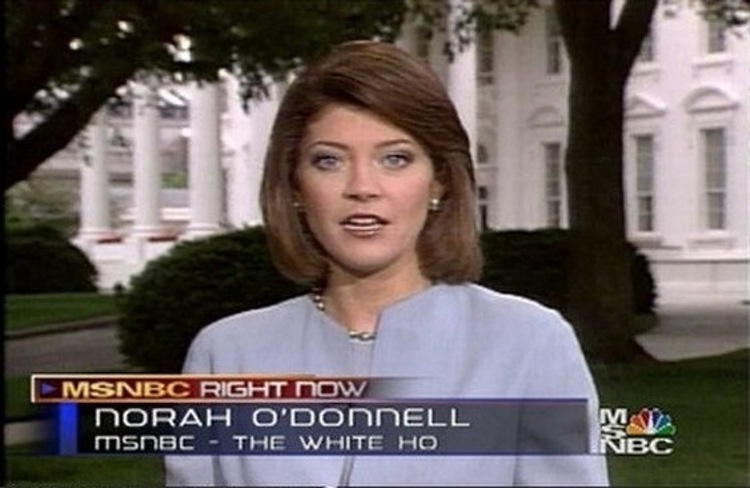
Sometimes missing letters or words can be catastrophic for a writer. A good spell checker won’t leave you hanging with ‘Boob’ when it was meant to be ‘Bob’, or ‘Joe Bloggs, rapist’, instead of ‘Joe Bloggs, Therapist’ or ‘White Ho reporter, Jane Bloggs’, instead of ‘White House reporter, Jane Bloggs’…see what I mean? Awkward.

The point is, we proofread our writing for grammatical errors and bad spelling, but punctuation is equally significant. It’s hard these days because many of us write blogs and those of us that do, write conversationally; the way we speak. I think that’s fine but in newsprint, newsletters, corporate documentation, websites and student uni dissertations, it needs to be formalised. Cut out the additional ellipses and use em dashes, forget the slang – dress up your language. I know we don’t say, in real life, things like, ‘please don’t hesitate to call me should you require anything further’, we say, ‘give me a call if I can help you with anything else…’ but that’s how we roll and what people expect, unless it’s a novel or piece of creative writing, then there is a colloquialism expectation and acceptance.

On occasion, grammatical errors are mistaken for spelling errors. This is when the spelling is actually correct but used inaccurately, such as ‘the plain descended rapidly’ rather than ‘plane’ or ‘breath easy’, instead of ‘breathe easy’. These are not spelling gaffes, they are grammar blunders, and they are not okay.  


There are plenty of freelance editors and proofreaders out there, it just so happens. I’m the best ;-)…whoops just broke my own rule. www.kirstieanders.com